
Explore the research topics we are currently focusing on.
Active projects – participate!
See whether there is an ongoing study for your dog or cat breed for which we are especially seeking samples. You can also suggest new research topics to us.
Epilepsy
We study the genetic background of epilepsy in dogs through international collaboration and continuously collect samples from different breeds. Our goal is to create the world’s largest biobank related to canine epilepsy, enabling us to better understand the causes and clinical characteristics of the disease across breeds.
Neurological disorders
In addition to epilepsy, we are also interested in the genetics of rarer neurological disorders. We have ongoing research projects investigating, for example, the genetic background of paroxysmal dyskinesia, cerebellar ataxia, and neuroaxonal dystrophy.
Heart diseases
Our cardiac research focuses particularly on sudden cardiac deaths in Leonbergers and their genetic background. We are also interested in sudden cardiac deaths occurring in other breeds.
Dental diseases
With dental diseases, we focus especially on the genetic causes of developmental dental disorders. In particular, we study enamel developmental defects (amelogenesis imperfecta) and abnormalities in tooth number (hyperdontia).
Eye diseases
Our group has a long history of genetic research of inherited eye diseases. Currently, our research focuses, among other things, on the genetics of inherited retinal degenerations, but we are interested in all inherited eye disorders.
Skeletal disorders
Research on skeletal disorders focuses particularly on developmental abnormalities seen in puppies, such as osteogenesis imperfecta and chondrodysplasia (dwarfism). In addition, we investigate the genetic background of growth disorders affecting bones and joints, such as shoulder osteochondrosis.
Hearing defects
We actively study hereditary hearing loss and deafness in dogs. Hearing loss and deafness can be congenital or develop later in life.
Behavior and personality
We have studied canine behavior and personality. We continue to collect data on the behavior and personality of dogs and cats as part of the free Me and My Dog online course for future research projects. In addition, canine personality and behavior are included in our active research project examining the attachment relationship between owners and their dogs.
Attachment
We study the owner’s attachment to their dogs from the perspective of traditional attachment theory, in which attachment is expressed as anxious, avoidant, or secure. Previously, we have examined how the personality and psychological well-being of both owners and dogs relate to these attachment styles. We are investigating how similar owners and dogs are to each other and how this similarity affects their relationship. Additionally, we study the so-called puppy blues phenomenon, its measurement, and potential risk factors.
Canine genetic map
A high-quality genetic map is a critical component of research and accelerates gene discovery. A genetic map defines which genes and their regulatory regions are present on each dog chromosome. Our research group has launched an extensive DoGA project to improve the genetic map. We focus particularly on the structure of regulatory regions of different genes and their significance for gene function. This project is internationally significant and also enhances the use of dogs as models for human diseases.
Dog and wolf brains
Dogs and wolves share an evolutionary history, as all dogs are descended from the gray wolf. Dog domestication began approximately 23,000–30,000 years ago. Why does the behavior of dogs and their unique relationship with humans differ so much from that of wolves? Our international DoGA project investigates gene activity in different brain regions of dogs and wolves and explores the differences between them.
Canine pharmacogenomics
Hundreds of different genes in a dog’s genome affect how they can process drugs in their body. Malfunctions in pharmacogenes can cause serious side effects and even death of the dog. Our pharmacogenomics project maps genetic variation in approximately 3,000 dogs and aims to model how this variation affects the behavior of different drugs in the canine body. Pharmacogenomics is also applied in current research on food and toxin poisoning.
Other dog research
We accept samples related to inherited traits and diseases whose genetic background is still unknown. Over the years, we have studied numerous hereditary physical traits and diseases (developmental disorders, muscular diseases, metabolic disorders, storage diseases, etc.) that are not included in the research topics listed above. Samples can also be used in studies outside the focus areas of our own group, as we collaborate extensively with other research groups internationally.
Cat research
We study hereditary traits and diseases in cats, as well as their behavior. The cat biobank was established in 2008 and has collected over 5,000 samples from more than 40 breeds. We accept samples from cats of all breeds.
Propose a research topic
Help us brainstorm new research projects! We welcome research ideas related to your breed based on any abnormalities or issues you have observed. For submitting ideas, we have created a dedicated email address: tutkimusidea-koira@helsinki.fi
For example, if a breeder has multiple affected puppies in the same litter, we encourage you to email us so that we can explore the possibilities for genetic research and project planning together. We review your ideas regularly and confidentially within our research group and will contact you to develop projects and collect samples.
We encourage owners, breeders, veterinarians, and representatives of breed clubs to actively submit research ideas.
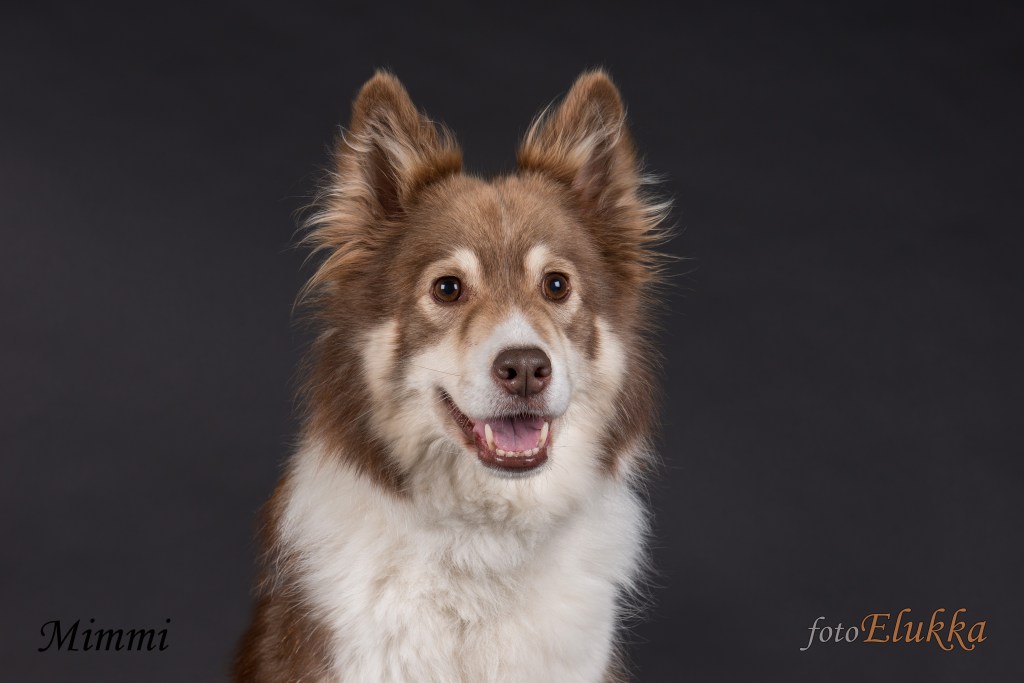
Picture: fotoElukka
 Hannes Lohi Lab